Social media anxiety and IBS? Digital detox for your gut
 By Andrew Lewis, Senior Wellness Editor
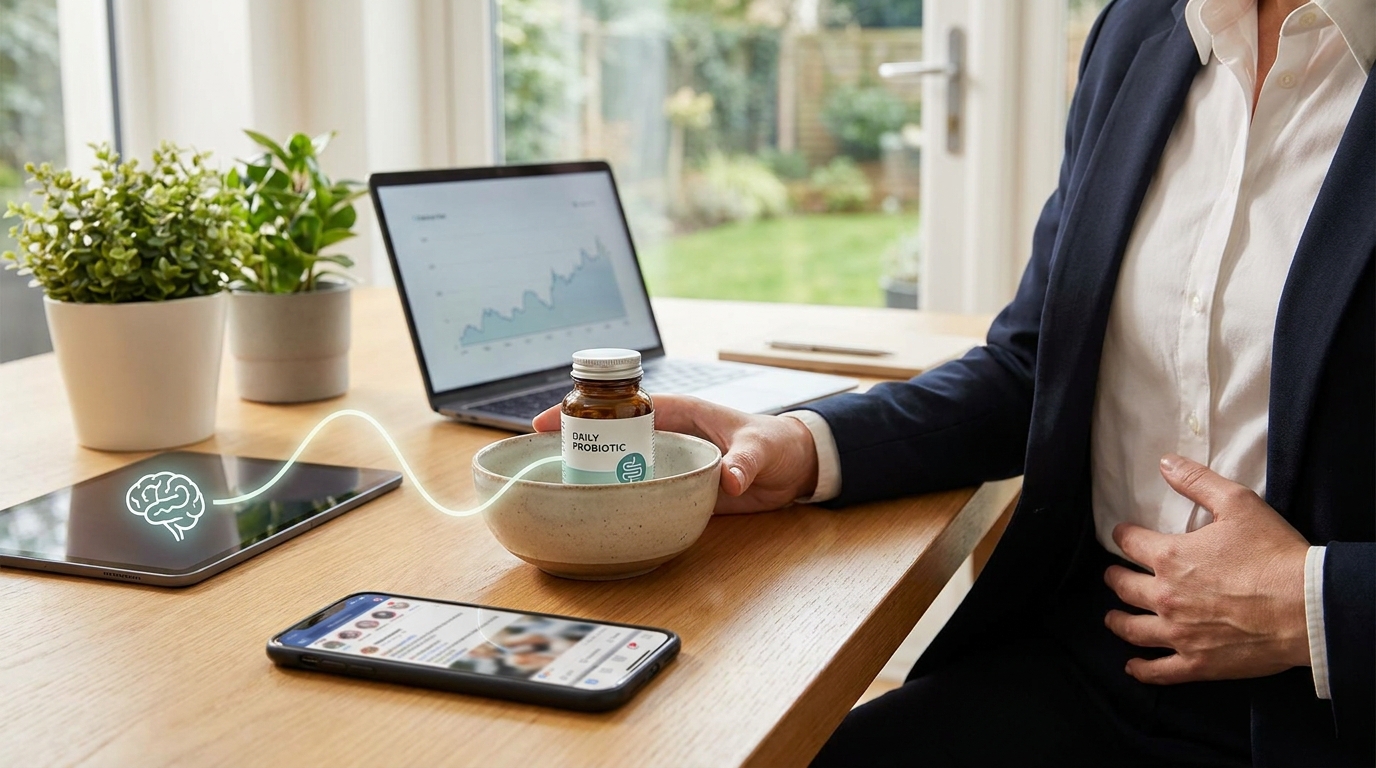
Key Takeaways 🧘🏽♀️
- The gut-brain axis is a critical two-way communication pathway linking your digestive system and brain, profoundly impacting mood and gut health.
- Chronic social media stress can disrupt this axis, leading to gut dysbiosis, inflammation, and exacerbated digestive issues.
- Probiotics introduce beneficial bacteria to rebalance your gut microbiome, potentially alleviating both gut symptoms and stress-related discomfort.
- Look for probiotics with diverse, high-quality strains and a focus on absorption, like GutOptim, to support comprehensive gut health.
- Integrating probiotics with stress-reduction techniques, a balanced diet, and mindful digital habits offers a holistic approach to well-being.
The Silent Battle: Social Media Stress, Gut Health, and the Gut-Brain Axis 🧠
In today's fast-paced world, working adults are constantly juggling professional demands, personal responsibilities, and the omnipresent pull of social media. While digital platforms offer connectivity, they often come with a hidden cost: chronic stress, anxiety, and a constant state of overwhelm. What many don't realize is that this digital burden doesn't just affect our minds; it deeply impacts our physical health, particularly our gut. The intricate connection between our brain and our digestive system, known as the gut-brain axis, means that mental stress can manifest as very real gut issues, creating a vicious cycle. Understanding this powerful link is the first step towards reclaiming your peace of mind and digestive comfort.
Unraveling the Gut-Brain Connection
The gut-brain axis is a sophisticated bidirectional communication system. It involves direct pathways, such as the vagus nerve, which acts like a superhighway between your brain and gut, as well as biochemical signals involving neurotransmitters (like serotonin, 90% of which is produced in the gut) and immune system messages. Your gut is home to trillions of microorganisms collectively known as the gut microbiome, which plays a pivotal role in digestion, nutrient absorption, and even immune function. Emerging research continues to highlight how a healthy, balanced microbiome is essential not just for gut health, but also for mental well-being. Disruptions in this delicate balance, often brought on by stress, can lead to widespread issues.
When we experience stress, our bodies release hormones like cortisol. While vital for acute stress responses, chronic exposure to cortisol can wreak havoc on the gut. It can alter gut permeability (leading to
Frequently Asked Questions
How does social media stress affect my gut?
Social media stress triggers the release of stress hormones like cortisol, which can alter gut permeability, disrupt the balance of your gut microbiome, and lead to increased inflammation, exacerbating symptoms like bloating, constipation, or diarrhea.
What is the gut-brain axis?
The gut-brain axis is a complex two-way communication system between your central nervous system (brain) and your enteric nervous system (gut), influencing digestion, mood, and overall health through neural, hormonal, and immunological pathways, including the gut microbiome.
Can probiotics really help with stress and digestion?
Yes, probiotics introduce beneficial bacteria to your gut, which can help rebalance the microbiome, reduce inflammation, improve gut barrier function, and modulate neurotransmitter production, potentially leading to improved digestive health and reduced stress-related symptoms.
What should I look for in a probiotic supplement?
When choosing a probiotic, look for a supplement with a high CFU count, a diverse range of well-researched strains (like Lactobacillus and Bifidobacterium), and features that ensure good absorption and viability, such as enteric coatings or specialized delivery systems.
How long does it take for probiotics to work?
The time it takes for probiotics to show effects varies greatly depending on the individual, the specific probiotic strains, and the nature of the gut issue. Some people may notice changes within a few days to a couple of weeks, while for others, it might take several weeks to a few months of consistent use to experience significant benefits.