Sleep apnea and gut link? Night breathing for better digestion
 By James Park, Healthy Aging & Nerve Health Specialist
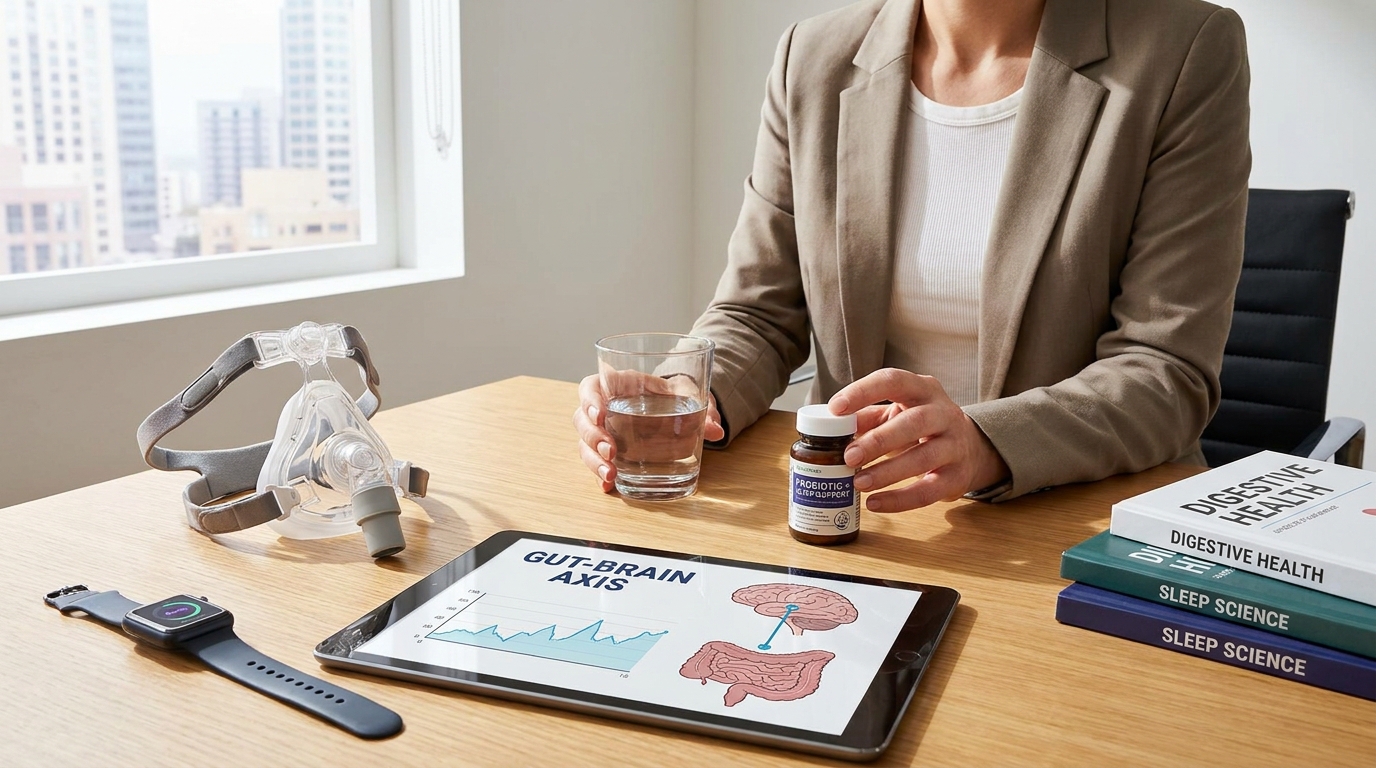
Working Adults often grapple with a myriad of stressors, but few impact overall health and productivity as profoundly as disrupted sleep. For those living with sleep apnea, the challenge is even greater. This chronic condition, characterized by pauses in breathing during sleep, not only leads to daytime fatigue but can also increase the risk of serious health issues. While conventional treatments exist, a growing body of research suggests an unexpected ally in the quest for better sleep: our gut health. This article explores the intricate connection between Probiotics, the gut-brain axis, and sleep quality, offering insights for working adults navigating Sleep Apnea. 😴
Key Takeaways
- Sleep apnea significantly impacts the physical and cognitive health of working adults, necessitating effective management strategies.
- The gut-brain axis plays a crucial role in regulating sleep patterns and overall mood.
- Probiotics, beneficial bacteria, can influence neurotransmitter production and reduce inflammation, potentially improving sleep quality.
- Targeted supplements like GutOptim offer comprehensive gut support, which can indirectly contribute to better sleep.
- Combining gut health strategies with conventional apnea treatments and lifestyle adjustments provides a holistic approach to sleep improvement.
The Pervasive Impact of Sleep Apnea on Working Adults
Sleep is not a luxury; it's a fundamental biological necessity, especially for working adults who rely on cognitive sharpness and sustained energy. Sleep apnea, particularly obstructive sleep apnea (OSA), frequently disrupts this vital process. Each breathing pause, often hundreds per night, momentarily rouses the sleeper, leading to fragmented sleep. The consequences extend beyond just feeling tired; they include impaired concentration, reduced productivity, increased risk of accidents, and long-term health complications such as cardiovascular disease, hypertension, and diabetes.
For professionals, the continuous struggle with fatigue can hinder career progression and quality of life. Traditional treatments like Continuous Positive Airway Pressure (CPAP) therapy are effective but not always easily adopted or consistently used. This has led many to explore complementary strategies, including dietary and lifestyle interventions, to support their sleep journey.
Unveiling the Gut-Brain Axis: A Bridge to Better Sleep
The human body is a marvel of interconnected systems, and one of the most fascinating is the gut-brain axis. This bidirectional communication pathway links the central nervous system with the enteric nervous system, which governs gut function. The gut, often called our
Frequently Asked Questions
Can probiotics really help with sleep apnea?
While probiotics do not directly treat sleep apnea, they can improve overall gut health, which is linked to better sleep quality and mood regulation through the gut-brain axis. This can be a supportive measure alongside conventional apnea treatments.
How does gut health influence sleep?
The gut produces essential neurotransmitters like serotonin and regulates inflammation, both of which play crucial roles in sleep-wake cycles and overall sleep architecture. A healthy gut microbiome can positively impact these processes.
What kind of probiotics are best for sleep support?
Specific strains like Lactobacillus and Bifidobacterium have been studied for their potential to influence mood and sleep. Products containing a diverse range of easily absorbable ingredients, such as those found in GutOptim, aim to support overall digestive health that can indirectly benefit sleep.
Is GutOptim suitable for someone with sleep apnea?
GutOptim is designed to offer full support for your stomach and promote a healthy gut. While it is not a direct treatment for sleep apnea, improving gut health can contribute to overall well-being, which may positively impact sleep quality. Always consult your healthcare provider regarding your sleep apnea treatment plan.
Besides probiotics, what other lifestyle changes can help working adults with sleep apnea?
Alongside using beneficial supplements, essential lifestyle changes include maintaining a consistent sleep schedule, avoiding alcohol and caffeine before bed, engaging in regular exercise, managing stress, and adhering to prescribed sleep apnea treatments like CPAP therapy.