Sitting all day and feeling backed up? Gut solutions for desk workers
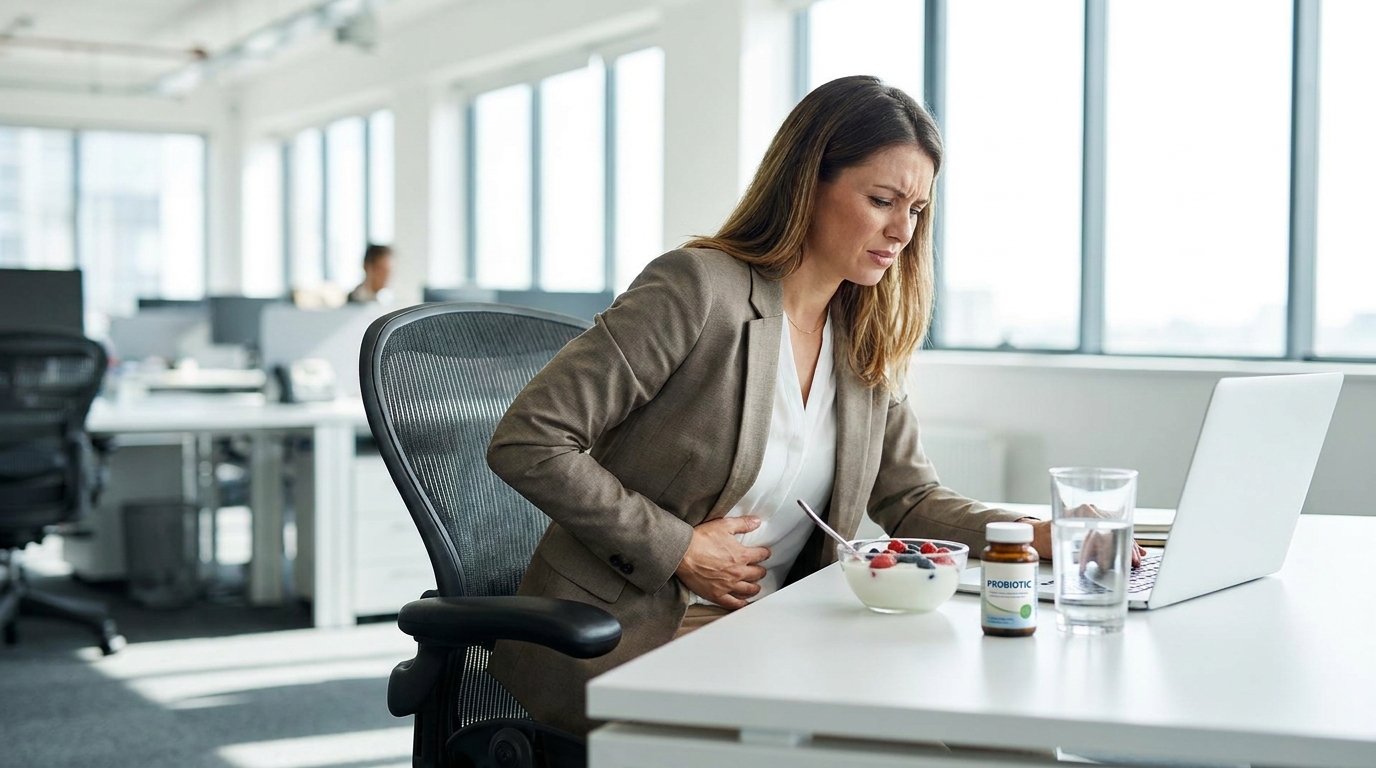
Are you a desk worker who constantly battles with a sluggish digestive system? Do you find yourself feeling bloated, heavy, and uncomfortable after meals, struggling to focus through that afternoon slump? You're not alone. Many who spend long hours seated at a desk experience the frustrating symptoms of slow digestion – a persistent discomfort that can impact energy, mood, and overall productivity. The feeling of food just sitting in your stomach, contributing to a distended belly and general malaise, is a common complaint in our increasingly sedentary world.
Key Takeaways
- Sedentary lifestyles often lead to reduced digestive motility and discomfort.
- A balanced gut microbiome is crucial for efficient digestion and overall health.
- Probiotics can introduce beneficial bacteria to support gut function and alleviate slow digestion.
- GutOptim offers a targeted approach with 10 absorbable ingredients for comprehensive stomach support.
- Combining probiotics with lifestyle changes like movement, hydration, and stress management yields the best results.
The Sedentary Struggle: Why Desk Work Impacts Digestion
Our bodies were designed for movement, and a prolonged sedentary lifestyle can throw several critical systems out of balance, including your digestive tract. When you spend eight or more hours a day seated, the natural muscular contractions that move food through your intestines – a process known as peristalsis – can slow down significantly. This leads to a longer transit time for food, allowing for excessive fermentation, gas buildup, and the uncomfortable sensation of bloating and constipation.
Understanding Slow Digestion (Gastric Motility)
Slow digestion, or delayed gastric emptying, isn't just about feeling full; it's a condition where food takes an unusually long time to move from your stomach to your small intestine. This can be influenced by various factors, including nerve signals, hormonal imbalances, and, critically, your physical activity level. For desk workers, the consistent lack of movement is a major contributor, preventing the abdominal muscles from stimulating the gut and promoting healthy bowel movements.
The Role of a Sedentary Lifestyle
Beyond just reduced peristalsis, a sedentary lifestyle contributes to digestive woes in other ways. Increased stress from demanding jobs can impact the gut-brain axis, leading to digestive disturbances. Poor posture, often a hallmark of desk work, can compress the digestive organs, further impeding their function. Furthermore, the tendency to snack unhealthily or consume quick, processed meals when busy can exacerbate an already struggling system, leading to inflammation and an imbalanced gut microbiome.
The Gut Microbiome: Your Inner Ecosystem
Your gut is home to trillions of microorganisms, collectively known as the gut microbiome. This complex community of bacteria, fungi, and viruses plays a monumental role in nearly every aspect of your health, especially digestion. A healthy microbiome helps break down food, synthesize vitamins, and even influence your immune system and mood. When this delicate ecosystem is imbalanced, with an overgrowth of harmful bacteria and a deficiency of beneficial ones, symptoms like bloating, gas, irregular bowel movements, and slow digestion become much more prevalent.
Probiotics: Aiding Your Digestive Flow
This is where probiotics come into play. Probiotics are live microorganisms, typically bacteria or yeasts, that, when administered in adequate amounts, confer a health benefit on the host. Essentially, they are the 'good guys' that help restore balance to your gut microbiome.
What Are Probiotics and How Do They Work?
Probiotics work by populating your gut with beneficial bacteria, which can then compete with harmful pathogens, produce helpful compounds (like short-chain fatty acids), and strengthen the gut barrier. For slow digestion, specific strains of probiotics can help improve gut motility, reduce inflammation, and alleviate common symptoms like bloating and constipation by supporting the natural rhythms of your digestive tract. They can also aid in the breakdown of complex carbohydrates and fiber, making digestion more efficient and comfortable.
Choosing the Right Probiotic for Slow Digestion
When selecting a probiotic, it's essential to look for products that contain diverse strains known for their digestive benefits. Common beneficial strains include various species of Lactobacillus and Bifidobacterium. The potency (measured in CFUs – Colony Forming Units) and the delivery method are also important, ensuring the bacteria survive the harsh stomach acid to reach the intestines where they can exert their effects.
GutOptim: A Solution for Digestive Harmony
For desk workers seeking to specifically address the challenges of slow digestion and cultivate a healthier gut, a targeted supplement like GutOptim can be a valuable addition. This advanced formula is designed to offer full support for your stomach, featuring 10 easily absorbable ingredients selected for their synergistic effects on digestive health. By delivering a blend of potent ingredients, GutOptim aims to optimize gut function and accompany you on your journey towards a healthier gut.
The unique composition of GutOptim focuses on comprehensive gut support, assisting your body's natural digestive processes. This means addressing not just the symptoms but helping to foster an environment where beneficial bacteria can thrive, and digestion can proceed more smoothly. From enhancing nutrient absorption to supporting regular bowel movements, this supplement provides a multi-faceted approach to alleviate digestive discomfort often associated with sedentary lifestyles. If you're looking for a product that helps promote digestive regularity and comfort, offering full support for your stomach and overall gut health, exploring options like GutOptim could be beneficial.
Lifestyle Adjustments for Optimal Digestion
While probiotics are a powerful tool, combining them with smart lifestyle choices will amplify their effects and provide more lasting relief. Here are some adjustments desk workers can make:
- Move Regularly: Even short walks or stretches every hour can stimulate gut motility. Consider a standing desk or incorporate movement breaks throughout your day.
- Hydrate Adequately: Water is crucial for softening stool and aiding its passage through the intestines. Aim for at least 8 glasses a day.
- Mindful Eating: Avoid eating quickly at your desk. Take proper meal breaks, chew your food thoroughly, and pay attention to hunger and fullness cues.
- Fiber-Rich Diet: Incorporate plenty of fruits, vegetables, whole grains, and legumes. Fiber adds bulk to stool and promotes regularity.
- Manage Stress: Chronic stress can wreak havoc on your digestion. Practice stress-reduction techniques like meditation, deep breathing, or hobbies you enjoy.
Integrating Probiotics into Your Daily Routine
Consistency is key when taking probiotics. For optimal results, follow the dosage instructions on the product label. Many people find it beneficial to take their probiotic supplement at the same time each day, often with a meal, to maximize absorption and integration into their system. Pay attention to how your body responds and be patient; it can take a few weeks to notice significant changes as your gut microbiome adjusts.
Conclusion: Reclaim Your Digestive Comfort
Slow digestion doesn't have to be an inevitable side effect of desk work. By understanding the connection between your sedentary lifestyle and gut health, you can take proactive steps to reclaim your digestive comfort and vitality. Integrating a high-quality probiotic like GutOptim into your daily routine, coupled with mindful lifestyle adjustments, can pave the way for a healthier, happier gut. Say goodbye to bloating and sluggishness, and hello to improved energy and focus throughout your workday. Ready to support your digestive journey? Shop Now