Post-COVID Brain Fog: How Long Does It Last and Who Is at Risk?
 By Andrew Lewis, Senior Wellness Editor
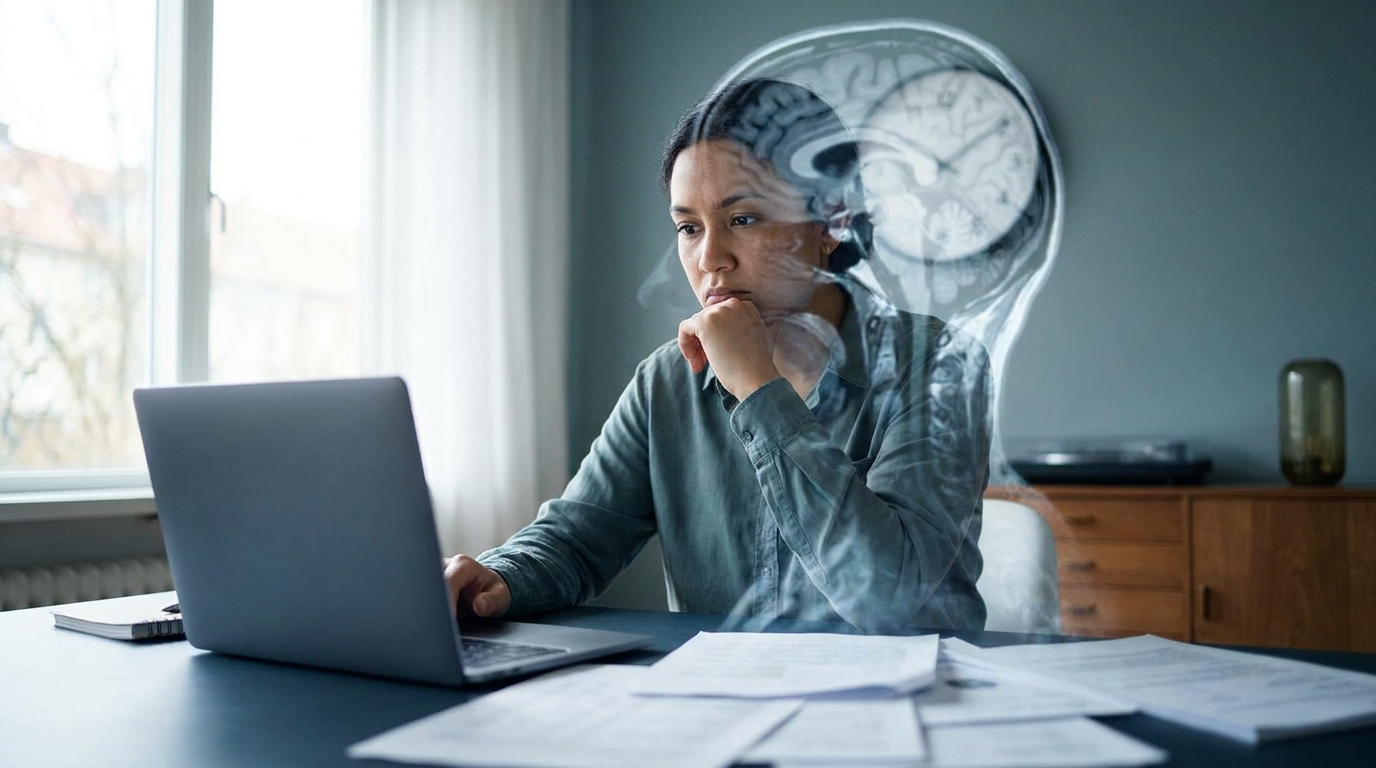
The COVID-19 pandemic has left an indelible mark on global health, extending far beyond the initial acute illness for millions. Among the most perplexing and debilitating lingering symptoms is "brain fog" – a term commonly used to describe a cluster of cognitive impairments that significantly impact daily functioning. For health-conscious individuals, understanding the nuances of post-COVID cognitive dysfunction is crucial for effective management and recovery. This article delves into the evidence-based overview of Long COVID brain fog, offering insights into its nature, symptoms, and potential strategies for regaining mental clarity. 🧠
Key Takeaways
- Long COVID brain fog is a prevalent and debilitating condition characterized by memory issues, difficulty concentrating, and mental fatigue.
- Potential mechanisms include neuroinflammation, viral persistence, and microclot formation, though research is ongoing.
- Management strategies involve lifestyle adjustments, cognitive rehabilitation, and targeted nutritional support.
- Supplements like Brain Savior and NeuroQuiet may offer support for cognitive function and overall well-being.
- A holistic and patient-centered approach, guided by healthcare professionals, is essential for recovery. ✨
Understanding Long COVID Brain Fog
Often described as a feeling of mental sluggishness, difficulty concentrating, or an inability to think clearly, brain fog is a hallmark symptom of what is now widely known as Long COVID or Post-Acute Sequelae of SARS-CoV-2 infection (PASC). Unlike transient fatigue, this cognitive impairment can persist for months or even years, profoundly affecting an individual's quality of life, work productivity, and social interactions.
Research indicates that a significant percentage of Long COVID sufferers report cognitive symptoms. A study published in The Lancet Psychiatry highlighted the prevalence of cognitive deficits, including memory problems and impaired executive function, among individuals recovering from COVID-19. The exact mechanisms driving Long COVID brain fog are still under investigation, but current theories point towards several interconnected factors: persistent low-grade neuroinflammation, alterations in brain blood flow, mitochondrial dysfunction, viral persistence, and the formation of microclots that impair oxygen delivery to brain tissues.
Common Cognitive Symptoms of Long COVID
The manifestations of Long COVID brain fog can vary from person to person, but several common themes emerge:
Memory Impairment
Many individuals report difficulties with both short-term and working memory. This can present as forgetting recent conversations, misplacing items, or struggling to recall words or names. It's more than just occasional forgetfulness; it's a persistent and frustrating challenge to retain new information or access stored memories.
Difficulty Concentrating and Sustaining Attention
Tasks that once required minimal effort, such as reading a book, following a complex conversation, or focusing on work, become incredibly challenging. Sustaining attention for extended periods becomes arduous, leading to frequent distractions and a diminished ability to complete tasks efficiently.
Executive Dysfunction (Planning, Problem-Solving)
Executive functions encompass higher-level cognitive skills like planning, organization, problem-solving, and decision-making. Long COVID brain fog can impair these abilities, making it difficult to manage complex projects, organize thoughts, or make sound judgments. This can be particularly impactful for individuals in demanding professional roles.
Mental Fatigue and Slowed Processing Speed
Cognitive tasks feel unusually exhausting, leading to profound mental fatigue even after minimal intellectual effort. The speed at which the brain processes information often slows down, making it feel as though thoughts are moving through treacle. This can affect reaction times and the ability to keep up with fast-paced discussions.
Navigating Treatment and Management Strategies
While there isn't a single cure for Long COVID brain fog, a multifaceted approach combining lifestyle adjustments, cognitive rehabilitation, and targeted nutritional support can significantly aid recovery.
Lifestyle Adjustments
Prioritizing restorative sleep, managing stress through mindfulness or meditation, and engaging in gentle, consistent physical activity within one's energy limits are foundational. A balanced, anti-inflammatory diet rich in omega-3 fatty acids, antioxidants, and essential vitamins can also support brain health.
Cognitive Rehabilitation
Working with an occupational therapist or neuropsychologist can provide structured exercises to retrain the brain. These might include memory games, attention-focusing tasks, and strategies for managing cognitive overload.
Nutritional Support and Supplements
Many individuals seek additional support to combat cognitive decline. Supplements designed to support brain health often contain ingredients known for their neuroprotective or cognitive-enhancing properties. For those experiencing mental sluggishness and a desire for enhanced mental clarity, exploring a comprehensive formula like Brain Savior can be a crucial step. This particular blend is formulated to target various aspects of cognitive function, helping to sharpen focus and improve recall.
Furthermore, general well-being is intrinsically linked to cognitive function. Supporting healthy hearing and enhancing cognitive well-being are key aspects of a holistic approach. Products like NeuroQuiet not only aim to support healthy hearing but also contribute to a calmer state of mind, which can indirectly alleviate cognitive strain and help reclaim peace amid the fog.
Scientific Insights and Research into Post-COVID Cognitive Dysfunction
Ongoing research continues to shed light on the intricacies of post-viral cognitive impairment. Studies are exploring the role of various compounds in mitigating neuroinflammation and promoting neuronal health. For instance, natural compounds like Bacopa Monnieri and Ginkgo Biloba have long been studied for their potential cognitive benefits, influencing memory and attention. Adaptogens like Rhodiola Rosea are also gaining attention for their ability to help the body adapt to stress, which can be a significant contributor to cognitive fatigue.
The National Institutes of Health (NIH) continues to fund extensive research into Long COVID, aiming to identify effective treatments and rehabilitation strategies. This dedication highlights the seriousness with which the medical community views post-COVID cognitive symptoms and the urgent need for evidence-based interventions.
Comparing Support Options: Brain Savior vs. NeuroQuiet
When considering supplements to aid cognitive recovery, understanding the specific focus of each product can help guide your choice. Both Brain Savior and NeuroQuiet aim to support overall well-being, but with distinct primary objectives.
| Feature | Brain Savior | NeuroQuiet |
|---|---|---|
| Primary Focus | Cognitive function, memory, focus, mental clarity | Healthy hearing, cognitive well-being, peace of mind |
| Target Concern | Brain fog, memory loss, concentration issues | Tinnitus support, general stress, cognitive clarity |
| Benefit Example | Supports sharper focus and improved recall | Aids in a calmer state, indirectly supports cognition |
| Action Link | Unlock Your Mental Potential | Reclaim Your Peace and Clarity |
A Holistic Approach to Regaining Clarity
Recovering from Long COVID brain fog is often a marathon, not a sprint. It requires patience, persistence, and a holistic approach that addresses physical, mental, and emotional well-being. Consulting with healthcare professionals who specialize in Long COVID is crucial for a personalized diagnosis and treatment plan. Combining medical guidance with disciplined lifestyle changes and targeted nutritional support offers the most promising path toward regaining cognitive clarity and returning to a fulfilling life. Remember, you are not alone in this journey, and recovery is possible. ✨
Frequently Asked Questions
What is Long COVID brain fog?
Long COVID brain fog is a persistent cognitive impairment following a SARS-CoV-2 infection, characterized by symptoms like difficulty concentrating, memory problems, mental fatigue, and slower thinking.
How long does Long COVID brain fog typically last?
The duration of Long COVID brain fog varies greatly among individuals, with some experiencing symptoms for a few months, while others may struggle for a year or more.
What causes brain fog after COVID-19?
While the exact causes are still being researched, theories include neuroinflammation, viral persistence in the body, damage to blood vessels, and altered brain blood flow.
Can diet and lifestyle help improve Long COVID brain fog?
Yes, adopting a balanced, anti-inflammatory diet, prioritizing quality sleep, managing stress, and engaging in gentle physical activity can significantly support brain health and potentially alleviate brain fog symptoms.
Are there specific supplements recommended for Long COVID brain fog?
While no supplement is a cure, some individuals find benefits from cognitive support formulas containing ingredients like adaptogens, omega-3s, and antioxidants, which may help with focus, memory, and reducing inflammation, but always consult a healthcare professional.