Podcast multitasking and forgotten meals? Gut routine for multitaskers
 By Michael Chen, Gut Health & Nutrition Writer
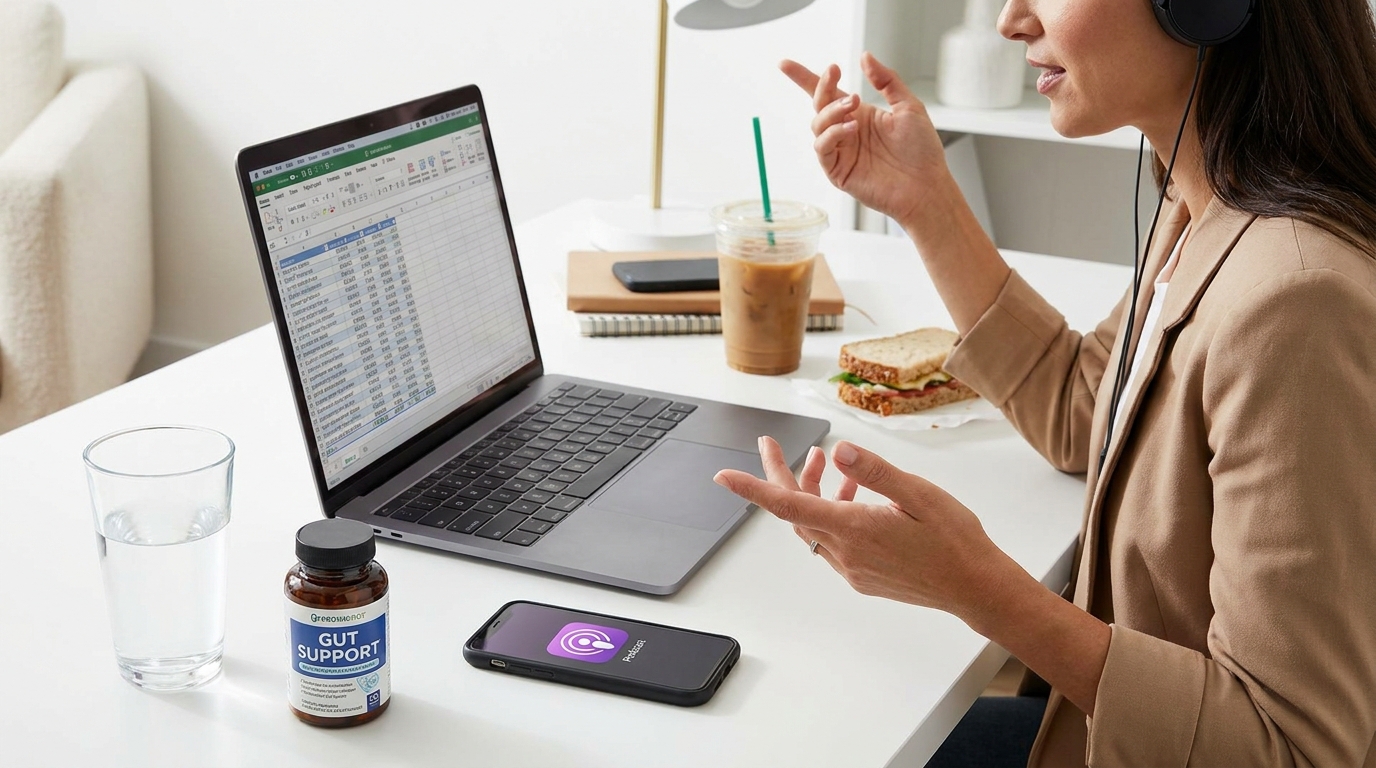
Gut Health on the Go: Probiotics as Your Practical Tool for Irregular Eating 🕒🚀
For many working adults, a predictable eating schedule is a luxury, not a given. Hectic workdays, unexpected meetings, and demanding commutes often mean skipped meals, rushed lunches, or late-night dinners. While an occasional deviation might seem harmless, a prolonged pattern of irregular eating can take a significant toll on your digestive system and overall well-being. This is where probiotics emerge as a powerful, practical tool for maintaining gut health amidst the chaos.
Key Takeaways:
- Irregular eating patterns can disrupt your gut microbiome, leading to digestive discomfort and reduced nutrient absorption.
- Probiotics introduce beneficial bacteria that help restore balance, support digestion, and bolster immune function.
- Products like GutOptim are formulated with multiple absorbable ingredients to offer comprehensive digestive support for busy lifestyles.
- Integrating a probiotic into your daily routine is a simple, effective step to safeguard your gut health, even when your diet is inconsistent.
- Beyond supplements, prioritize hydration, adequate sleep, and mindful eating when possible to complement probiotic benefits.
The Modern Dilemma: Irregular Eating and Your Gut 😟
Life in the fast lane often means compromising on meal regularity. Skipping breakfast, relying on quick processed foods, or having widely spaced meals can wreak havoc on your digestive system. Your gut microbiome, a complex community of trillions of bacteria, thrives on consistency and a diverse intake of nutrients. When meal times are erratic, or food choices are suboptimal, this delicate balance can be disturbed, leading to a condition known as dysbiosis.
Dysbiosis can manifest as uncomfortable symptoms like bloating, gas, constipation, or diarrhea. Beyond immediate discomfort, an imbalanced gut can impact nutrient absorption, energy levels, and even your immune system. Research increasingly highlights the intricate connection between gut health and overall well-being, including mental health. The stress inherent in a busy work life can further exacerbate these issues, creating a vicious cycle where stress impacts digestion, and digestive issues add to stress. The American Psychological Association provides further insights into how stress affects the body.
The Power of Probiotics: A Digestive Safety Net
Think of probiotics as a specialized task force for your gut. These living microorganisms, when administered in adequate amounts, confer a health benefit on the host. Essentially, they are
Frequently Asked Questions
Can probiotics really help if I often skip meals or eat erratically?
Yes, probiotics can help maintain a more balanced gut microbiome, supporting consistent digestion and nutrient absorption even when your eating schedule is inconsistent. They provide beneficial bacteria that help your system cope better with dietary fluctuations.
What time of day is best to take a probiotic for maximum effectiveness?
Many experts suggest taking probiotics on an empty stomach, typically 15-30 minutes before a meal, to ensure the beneficial bacteria reach the gut intact without being overly affected by stomach acid during digestion. However, consistency is key, so find a time that works best for your routine.
Are there any side effects to taking probiotics regularly?
Most people tolerate probiotics well, but some might experience mild digestive upset like gas or bloating when first starting, as your gut adjusts to the new bacteria. These symptoms are usually temporary and subside within a few days to a couple of weeks.
How long does it take for probiotics to start working and show noticeable benefits?
The effects can vary significantly among individuals, but some may notice improvements in digestion, regularity, and overall gut comfort within a few days to a few weeks of consistent use. For others, it might take longer to experience full benefits.
Do probiotics need to be refrigerated, or are they shelf-stable for busy adults?
Not all probiotics require refrigeration; many modern formulations are shelf-stable, making them convenient for busy lifestyles and travel. Always check the specific product's storage instructions to ensure optimal potency and effectiveness.