Office snacks all day long? How to gut proof your grazing habit
 By Michael Chen, Gut Health & Nutrition Writer
Key Takeaways 🛠️
- Remote work often leads to increased snacking and a sedentary lifestyle, contributing to digestive issues like bloating.
- Chronic bloating can stem from an imbalanced gut microbiome, stress, and poor dietary choices common in remote work.
- Probiotic supplements offer a practical tool to restore gut flora balance, aiding digestion and reducing discomfort.
- Choosing a multi-strain probiotic like GutOptim can provide comprehensive support for digestive health.
- Combining Probiotics with mindful snacking, hydration, and regular movement creates a holistic strategy for a healthy gut.
The Remote Work Gut: Why Snacking Leads to Bloating
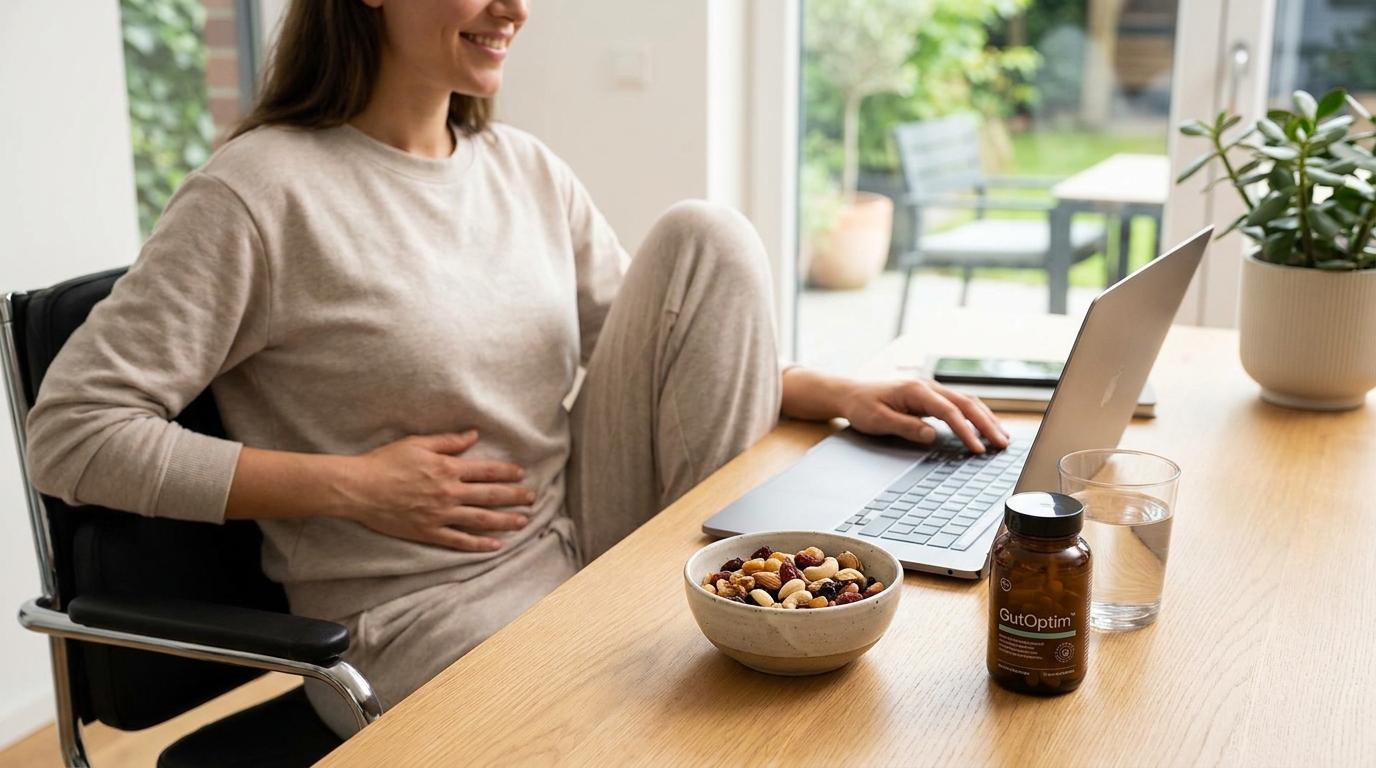
Remote work has brought unprecedented flexibility, but it often comes with a hidden cost: an impact on our digestive health. The convenience of a home office frequently translates into constant, often mindless, snacking. Whether it's reaching for sugary treats, processed chips, or multiple cups of coffee, these habits can throw your digestive system into disarray, leading to persistent bloating. This isn't just an aesthetic concern; it's a sign that your gut microbiome—the complex community of bacteria living in your intestines—might be out of balance. imbalance can result from stress, lack of physical activity, and dietary choices that disrupt the delicate ecosystem of your gut, contributing to symptoms like gas, discomfort, and bloating. For more information on the gut microbiome, you can explore resources like Wikipedia's entry on the human microbiome.
The Science Behind Your Snacking Bloat
When you consume highly processed foods, sugary snacks, or foods low in fiber, your gut bacteria may struggle to break them down efficiently. Certain types of bacteria thrive on these less-than-ideal foods, producing excessive gas as a byproduct. This gas accumulates in the intestines, causing the uncomfortable distension and pressure we know as bloating. Furthermore, stress—a common companion of remote work—can directly impact gut motility and sensitivity, exacerbating digestive issues. Research has shown a strong connection between stress and gut health, often referred to as the gut-brain axis.
Probiotics: Your Practical Tool Against Bloating 💊
Among the most effective practical tools for combating bloating and supporting overall digestive health are probiotic supplements. Probiotics are live microorganisms, primarily bacteria and yeasts, that, when administered in adequate amounts, confer a health benefit on the host. Think of them as beneficial allies that help rebalance your gut flora, improve digestion, and reduce inflammation. By introducing good bacteria into your system, probiotics can help break down food more effectively, reduce gas production, and strengthen your gut barrier.
How Probiotics Work to Soothe Your Stomach
Probiotics work through several mechanisms to alleviate bloating:
- Restoring Microbial Balance: They introduce beneficial bacteria, outcompeting harmful strains that cause gas and discomfort.
- Improving Digestion: Certain probiotic strains produce enzymes that assist in the breakdown of complex carbohydrates and other food components.
- Strengthening Gut Barrier: A healthy gut barrier prevents toxins and undigested food particles from entering the bloodstream, reducing inflammation and discomfort. More on the gut barrier can be found on WebMD.
- Reducing Inflammation: Probiotics can modulate the immune response in the gut, leading to reduced inflammation.
GutOptim: A Targeted Solution for Remote Workers
When selecting a probiotic, it's essential to look for products designed for comprehensive gut support. GutOptim stands out as a practical tool for remote workers experiencing bloating. It contains 10 easily absorbable ingredients that aim to offer full support for your stomach and accompany you on your journey towards a healthy gut. Its carefully selected blend is designed to tackle various aspects of digestive discomfort, making it a suitable choice for those whose lifestyle contributes to gut imbalances. For specific information on probiotic strains and their benefits, consulting resources like PubMed can be helpful.
Choosing the Right Probiotic: Beyond the Hype
Not all probiotics are created equal. When choosing a supplement, consider:
- Strain Diversity: Look for products with multiple strains of bacteria, as different strains offer different benefits.
- CFU Count: This indicates the number of live cultures per dose. A higher CFU count (billions) is generally more effective.
- Delivery System: Some probiotics are designed with delayed-release capsules to ensure the bacteria survive stomach acid.
- Specific Benefits: Some strains are better for bloating, while others target immunity or mood. GutOptim offers support for your stomach and a healthy gut, targeting common remote worker digestive woes.
Beyond Supplements: Holistic Gut Health for Remote Living ✨
While a quality probiotic like GutOptim is a powerful tool, it's most effective when integrated into a holistic approach to gut health. Consider these complementary strategies:
Mindful Snacking and Hydration
- Plan Your Snacks: Instead of grazing indiscriminately, plan healthy snacks like fruits, nuts, or yogurt. Avoid highly processed foods that feed bad bacteria.
- Stay Hydrated: Drinking plenty of water is crucial for digestion and helps move food through your system, preventing constipation and bloating. Aim for at least 8 glasses a day. Discover the benefits of water for digestion on the NIH website.
Incorporate Movement
- Take Regular Breaks: Standing up and walking around every hour can significantly improve gut motility. Even a short walk around the house can make a difference.
- Gentle Exercise: Activities like yoga, stretching, or light cardio can help stimulate digestion and reduce stress, both beneficial for a happy gut.
Stress Management
- Mindfulness and Meditation: Practicing mindfulness can calm the nervous system, which in turn can positively impact your gut.
- Breaks and Hobbies: Ensure you're taking genuine breaks from work and engaging in activities you enjoy to reduce overall stress levels.
Conclusion
Bloating from constant snacking is a common challenge for remote workers, but it doesn't have to be your constant companion. By adopting practical tools like a high-quality probiotic supplement and integrating mindful lifestyle adjustments, you can reclaim your digestive comfort and enhance your overall well-being. Empowering your gut health is a journey, and with the right strategies, you can navigate your remote work life with ease and comfort. Shop GutOptim Now to start your journey towards better gut health: Shop Now
Frequently Asked Questions
Why do remote workers often experience more bloating?
Remote workers often experience more bloating due to increased sedentary behavior, higher frequency of mindless snacking on processed foods, and potential stress related to work, all of which can disrupt gut balance and lead to digestive issues.
How can probiotics help reduce bloating caused by snacking?
Probiotics introduce beneficial bacteria to the gut, which helps rebalance the microbiome, improve the breakdown of food, reduce excessive gas production by harmful bacteria, and strengthen the gut barrier, all contributing to less bloating.
What should I look for in a probiotic supplement for bloating?
When choosing a probiotic for bloating, look for a supplement with multiple diverse strains of bacteria, a high CFU count (billions), and potentially a delayed-release capsule to ensure the live cultures reach the intestines effectively.
Besides probiotics, what lifestyle changes can help remote workers with bloating?
In addition to probiotics, remote workers can reduce bloating by planning healthy, fiber-rich snacks, staying well-hydrated, taking regular movement breaks, and practicing stress-management techniques like mindfulness or meditation.
Is GutOptim suitable for daily use to prevent bloating?
Yes, GutOptim is formulated with 10 easily absorbable ingredients designed for daily use to offer comprehensive support for your stomach and digestive health, making it a suitable option for ongoing bloating prevention and gut maintenance.