Constipation from endless Zoom calls? A simple gut motility plan
 By Andrew Lewis, Senior Wellness Editor
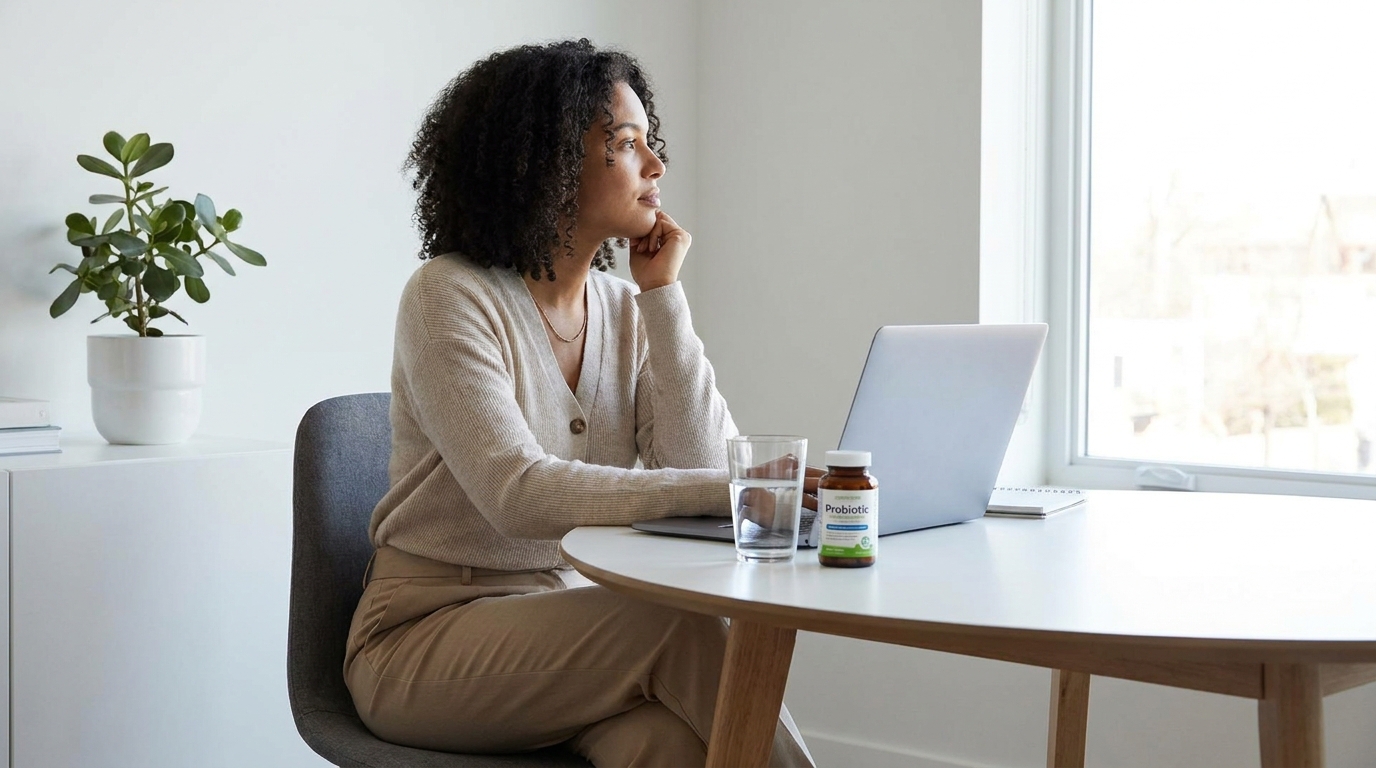
For millions of remote workers, the convenience of working from home comes with an unexpected and often unspoken challenge: persistent constipation. The prolonged hours spent sitting, often coupled with irregular routines and increased stress, can wreak havoc on digestive health, leading to discomfort, bloating, and reduced productivity. If you've been silently enduring this painful reality, know that you're not alone, and there are effective strategies to reclaim your gut health. This article delves into the link between your remote lifestyle and digestive woes, and how targeted solutions like Probiotics can offer significant relief.
Key Takeaways
- Prolonged sitting and sedentary habits common in remote work can significantly slow down gut motility, leading to constipation. 🪑
- Stress, irregular eating patterns, and reduced physical activity contribute to an imbalanced gut microbiome, or dysbiosis, which exacerbates digestive issues.
- Probiotics introduce beneficial bacteria that can restore gut balance, improve stool consistency, and enhance overall digestive function.
- Specific probiotic formulations, like GutOptim, offer a targeted approach with ingredients designed to support stomach health and regular bowel movements.
- Beyond probiotics, integrating regular movement, a high-fiber diet, adequate hydration, and stress management are crucial for long-term gut health. 💧
The Remote Work Reality: More Than Just a Desk Job 🪑
The allure of remote work is undeniable: no commute, flexible hours, and the comfort of your own home. However, this modern work paradigm often brings with it a sedentary lifestyle that our bodies aren't designed for. Spending 8+ hours a day glued to a chair means significantly less physical activity compared to traditional office environments, where even walking to meetings or grabbing lunch involved more movement. This lack of physical activity directly impacts your digestive system.
Our gut relies on movement to function optimally. Physical activity stimulates the muscles in the intestines, helping to move waste through the colon – a process known as gut motility. When we sit for extended periods, this natural process slows down, leading to stagnation and, inevitably, constipation. Research consistently highlights the link between a sedentary lifestyle and an increased risk of chronic constipation, among other health issues. For more insights on this, you can explore studies on the impact of physical inactivity on gut health, such as those published on PubMed.
Beyond just sitting, the remote work environment can also foster irregular eating habits, increased snacking, and heightened stress levels due to blurred work-life boundaries. Each of these factors plays a significant role in disrupting the delicate balance of your gut microbiome, setting the stage for digestive discomfort.
Understanding Constipation: What's Really Going On? 🧐
Constipation isn't just an inconvenience; it's a condition characterized by infrequent bowel movements (fewer than three per week), difficulty passing stools, or the sensation of incomplete evacuation. It often results in hard, dry stools, bloating, and abdominal pain. At its core, constipation often stems from a disruption in the digestive process, particularly involving the gut microbiome.
The gut microbiome is a complex community of trillions of microorganisms, including bacteria, fungi, and viruses, residing in your digestive tract. These microbes play a vital role in digesting food, synthesizing vitamins, and even influencing mood. An imbalance in this ecosystem, known as dysbiosis, can lead to a host of problems, including reduced gut motility, inflammation, and impaired nutrient absorption, all of which contribute to constipation. Factors like diet, stress, hydration, and crucially, lack of physical activity, can all trigger or worsen dysbiosis.
When you're constantly sitting, the mechanical stimulation of your intestines decreases. This, combined with potential dietary changes (hello, comfort snacks!) and the mental strain of managing remote work, creates a perfect storm for your gut. Your beneficial bacteria may struggle, allowing less beneficial strains to flourish, further impacting your digestive rhythm.
Probiotics: Your Gut's Best Friend 🤝
This is where probiotics come into the picture. Probiotics are live microorganisms, often referred to as
Frequently Asked Questions
Why do remote workers get constipated more often?
Remote workers often experience constipation due to prolonged sitting, which slows gut motility, coupled with increased stress, irregular eating habits, and reduced physical activity that can disrupt the gut microbiome.
How do probiotics help with constipation?
Probiotics introduce beneficial bacteria to the gut, helping to restore balance to the microbiome, improve gut motility, soften stools, and enhance overall digestive function, which can alleviate constipation symptoms.
Which probiotic strains are best for constipation?
Strains from the Lactobacillus and Bifidobacterium families, such as Lactobacillus reuteri, Lactobacillus plantarum, and Bifidobacterium lactis, are often recommended for their efficacy in improving bowel regularity and stool consistency.
How long does it take for probiotics to work for constipation?
The time it takes for probiotics to alleviate constipation varies for each individual, but many people may start to notice improvements within a few days to a few weeks of consistent use.
Can I rely solely on probiotics to cure my constipation?
While probiotics are highly beneficial, they work best as part of a holistic approach to gut health. Combining them with regular physical activity, a high-fiber diet, adequate hydration, and stress management offers the most comprehensive and lasting relief from constipation.