5 Simple Relaxation Habits to Protect Your Brain as You Age
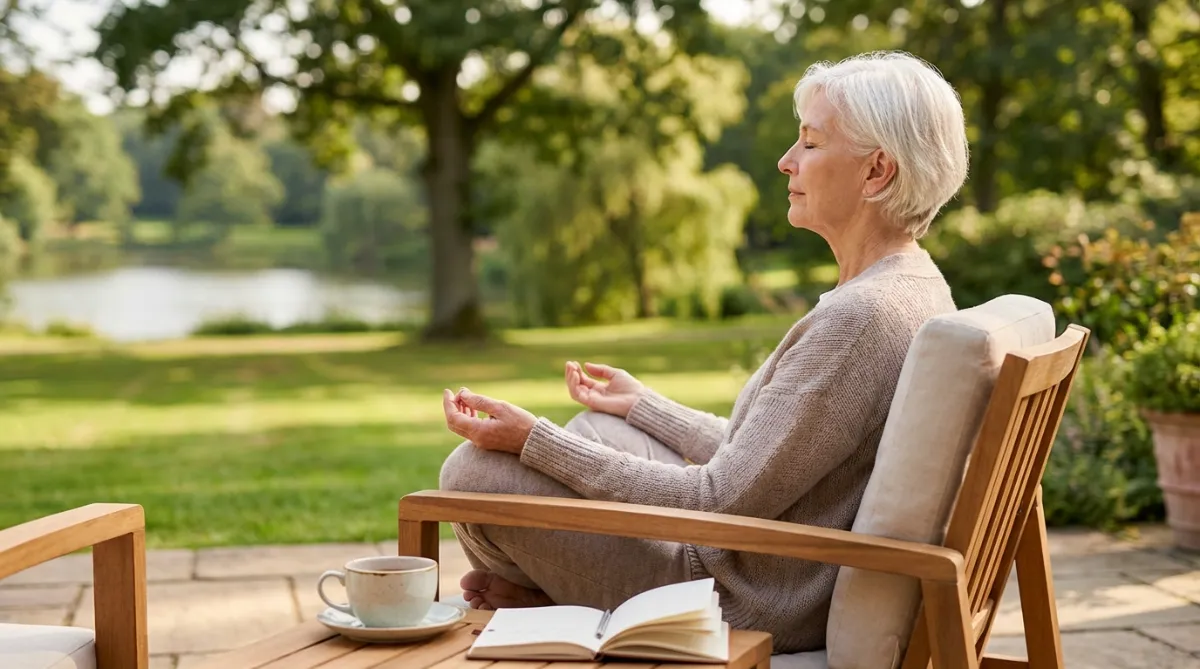
5 Simple Relaxation Habits to Protect Your Brain as You Age
As we age, maintaining cognitive function becomes a top priority. While genetics play a role, lifestyle choices have a significant impact on brain health. Surprisingly, simple relaxation habits can be powerful tools for protecting your brain and improving memory, focus, and overall cognitive function. In this article, we'll explore five effective relaxation techniques backed by research, along with a top-rated brain health supplement to consider.
Our selection criteria focused on relaxation techniques supported by scientific evidence for improving cognitive function, ease of implementation for seniors, and safety considerations.
Quick Comparison
| Habit | Key Benefit | Ease of Implementation | Cost |
|---|---|---|---|
| Deep Breathing Exercises | Reduces stress, improves focus | Very Easy | Free |
| Mindfulness Meditation | Enhances attention, reduces anxiety | Easy | Free |
| Gentle Yoga & Tai Chi | Improves blood flow, reduces inflammation | Moderate | Varies |
| Listening to Calming Music | Reduces stress, improves mood | Very Easy | Low |
| Spending Time in Nature | Boosts mood, enhances cognitive function | Moderate | Low |
1. Deep Breathing Exercises
Key Benefit: Reduces stress and improves focus.
Deep breathing exercises are a simple yet powerful way to calm the mind and improve cognitive function. When we're stressed, our bodies release cortisol, which can impair memory and focus. Deep breathing helps lower cortisol levels, promoting a sense of calm and enhancing mental clarity. A study published in the Journal of Cognitive Enhancement found that deep breathing exercises improved attention and working memory in older adults.
Description:
Deep breathing involves taking slow, deliberate breaths, filling your lungs completely, and exhaling slowly. There are various techniques, such as diaphragmatic breathing (belly breathing) and box breathing. Aim for 5-10 minutes of deep breathing daily.
Pros:
- Easy to learn and practice
- Can be done anywhere, anytime
- Reduces stress and anxiety
- Improves focus and concentration
Cons:
- May feel uncomfortable initially for some
- Requires consistent practice for optimal benefits
Price: Free
Best For: Individuals seeking a quick and accessible way to manage stress and improve focus.
*Integrate deep breathing into your routine for a sharper mind.
2. Mindfulness Meditation
Key Benefit: Enhances attention and reduces anxiety.
Mindfulness meditation involves focusing on the present moment without judgment. This practice can improve attention, reduce anxiety, and enhance overall cognitive function. Research has shown that mindfulness meditation can increase gray matter in brain regions associated with learning and memory. One such study can be found in NeuroImage. Practicing mindfulness helps to train your brain to stay focused and less reactive to distractions.
Description:
Find a quiet space, sit comfortably, and focus on your breath. When your mind wanders, gently redirect your attention back to your breath. Start with 5-10 minutes daily and gradually increase the duration.
Pros:
- Improves attention and focus
- Reduces anxiety and stress
- Enhances self-awareness
- Promotes emotional regulation
Cons:
- Requires patience and consistency
- May be challenging for individuals with significant anxiety
Price: Free (guided meditations available online)
Best For: Individuals seeking to improve focus, reduce anxiety, and cultivate a greater sense of calm.
3. Gentle Yoga & Tai Chi
Key Benefit: Improves blood flow and reduces inflammation.
Gentle forms of exercise like yoga and Tai Chi combine physical movement with mindfulness, offering a holistic approach to brain health. These practices improve blood flow to the brain, reduce inflammation, and promote neuroplasticity (the brain's ability to reorganize itself). A study published in the Journal of Alzheimer's Disease found that Tai Chi improved cognitive function in older adults with mild cognitive impairment.
Description:
Yoga involves a series of postures, breathing techniques, and meditation. Tai Chi is a gentle form of martial arts that involves slow, flowing movements. Look for beginner-friendly classes or online tutorials.
Pros:
- Improves physical fitness and flexibility
- Reduces stress and anxiety
- Enhances cognitive function
- Promotes social interaction (in group classes)
Cons:
- May require some physical ability
- Requires time commitment
Price: Varies (classes or online subscriptions)
Best For: Individuals seeking a gentle and mindful way to improve physical and cognitive health.
4. Listening to Calming Music
Key Benefit: Reduces stress and improves mood.
Listening to calming music can have a profound effect on brain health. Music can reduce stress hormones, lower blood pressure, and improve mood. Studies have shown that music can enhance memory and cognitive performance. Classical music, nature sounds, and ambient music are particularly effective for promoting relaxation and cognitive enhancement.
Description:
Create a playlist of calming music and listen to it regularly, especially during stressful times. Experiment with different genres to find what works best for you.
Pros:
- Easy and accessible
- Reduces stress and anxiety
- Improves mood
- Enhances memory and cognitive performance
Cons:
- May not be effective for everyone
- Personal preference plays a significant role
Price: Low (streaming services or free online resources)
Best For: Individuals seeking a simple and enjoyable way to reduce stress and improve mood.
5. Spending Time in Nature
Key Benefit: Boosts mood and enhances cognitive function.
Spending time in nature has numerous benefits for brain health. Studies have shown that exposure to nature can reduce stress hormones, improve attention, and enhance cognitive function. Nature provides a calming and restorative environment that allows the brain to recharge. Even a short walk in a park can have a significant impact on cognitive well-being.
Description:
Make an effort to spend time in nature regularly, whether it's a walk in a park, a hike in the woods, or simply sitting in a garden.
Pros:
- Reduces stress and anxiety
- Improves attention and focus
- Boosts mood
- Enhances cognitive function
Cons:
- May not be accessible to everyone
- Weather dependent
Price: Low (parks and natural areas are often free)
Best For: Individuals seeking a natural and restorative way to improve brain health.
Bonus: MemoryVitali - A Brain Health Supplement
For those looking to further support their brain health, consider MemoryVitali, a brain health formula designed to enhance memory, focus, and cognitive function. MemoryVitali contains a blend of clinically-studied ingredients known for their cognitive benefits.
Benefits of MemoryVitali:
- Supports memory and recall
- Enhances focus and concentration
- Promotes long-term mental sharpness
MemoryVitali's clinically-studied formula includes key ingredients like Citicoline, Bacopa Monnieri, and Lion's Mane mushroom, all known for their cognitive-enhancing properties. These ingredients work synergistically to support brain health and improve cognitive function.
Price: See website for current pricing.
Best For: Adults looking to proactively support their brain health and cognitive function.
How We Tested/Selected Relaxation Habits
Our selection process was thorough and focused on identifying relaxation techniques that are both effective and accessible for seniors. We prioritized habits supported by scientific research, easy to implement, and safe for older adults. We considered factors such as ease of learning, time commitment, cost, and potential benefits for cognitive function. We also consulted with geriatric health experts to ensure the recommendations are appropriate and beneficial for our target audience.
Buying Guide: Choosing the Right Relaxation Habits for You
When selecting relaxation habits to incorporate into your routine, consider the following factors:
- Personal Preferences: Choose activities that you enjoy and find relaxing.
- Time Commitment: Select habits that fit into your schedule.
- Physical Ability: Consider your physical limitations and choose activities that are appropriate for your fitness level.
- Health Conditions: Consult with your doctor before starting any new relaxation program, especially if you have underlying health conditions or are taking medications.
- Consistency: The key to success is consistency. Aim to practice your chosen relaxation habits regularly for optimal benefits.
FAQ: Relaxation and Brain Health
Q: How long does it take to see results from relaxation habits?
A: Results vary depending on the individual and the specific habit. Some people may experience immediate benefits, such as reduced stress and improved mood. However, it typically takes 4-12 weeks of consistent practice to see significant improvements in cognitive function.
Q: Are there any risks associated with relaxation habits?
A: Most relaxation habits are safe for seniors. However, it's important to consult with your doctor before starting any new program, especially if you have underlying health conditions. Certain techniques, such as yoga and Tai Chi, may not be suitable for individuals with certain physical limitations.
Q: Can relaxation habits replace medication for cognitive decline?
A: Relaxation habits should not be considered a replacement for medication prescribed by your doctor. However, they can be a valuable complementary therapy to support brain health and cognitive function.
Q: What are the best times to practice relaxation habits?
A: The best time to practice relaxation habits is whenever you feel stressed or anxious, or when you have a few minutes to spare. Some people find it helpful to incorporate relaxation techniques into their daily routine, such as practicing deep breathing in the morning or listening to calming music before bed.