Brain Fog and Gamers: What Recent Research Reveals
 By Andrew Lewis, Senior Wellness Editor
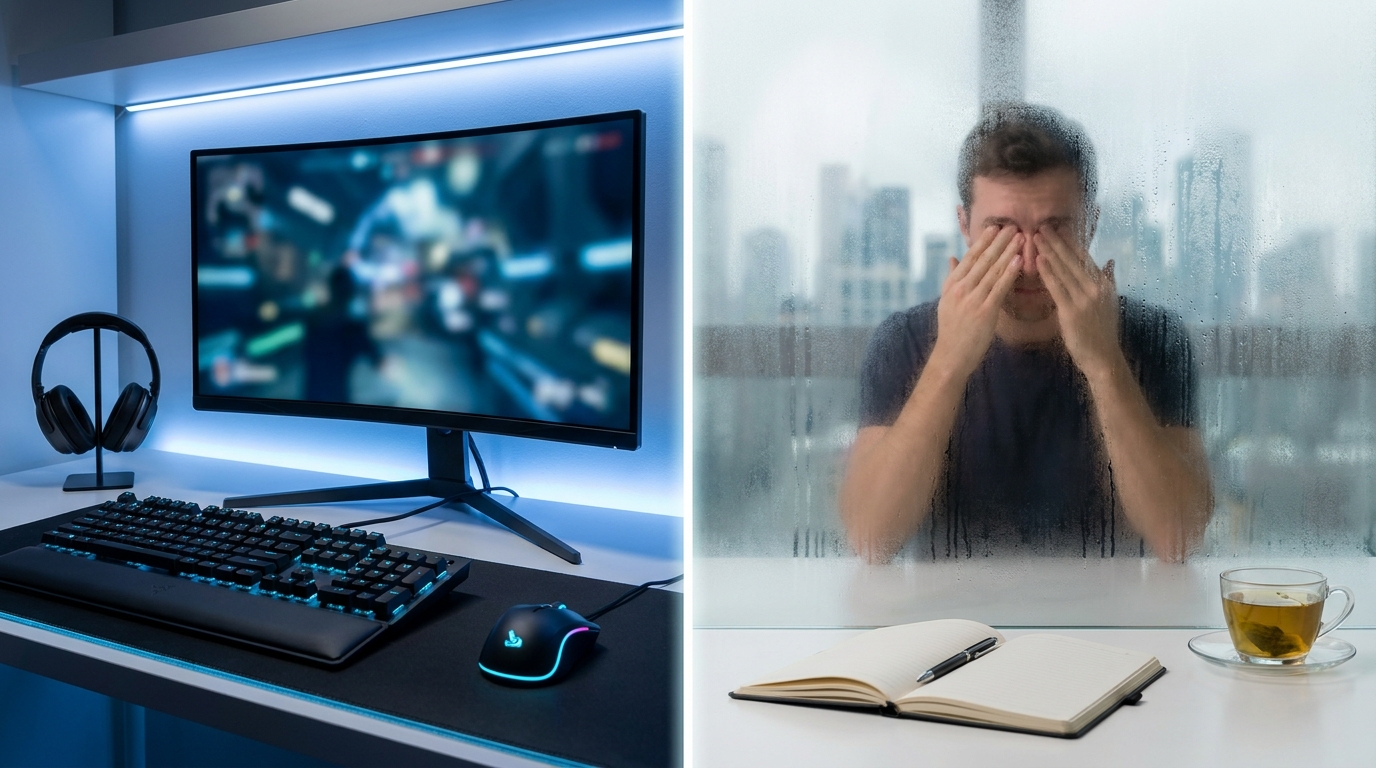
For high-performance creatives and competitive gamers, mental clarity isn't just a perk—it's the core of their craft. Whether you're debugging complex code, rendering intricate 3D models, strategizing in an esports match, or streaming for hours, your brain is your most critical tool. But what happens when that tool feels sluggish, clouded, or unresponsive? Enter brain fog, a frustrating phenomenon that can derail focus, stifle creativity, and impact crucial decision-making. 🧠
Key Takeaways
- Brain fog is a common cognitive impairment characterized by lack of focus, memory issues, and mental fatigue, severely impacting high-performance tasks.
- For creatives and gamers, brain fog can lead to creative blocks, missed game cues, slower reaction times, and diminished productivity.
- Root causes often include chronic stress, sleep deprivation, poor nutrition, dehydration, and excessive screen time.
- Combatting brain fog requires a multi-faceted approach: optimizing sleep, managing stress, adopting a nutrient-rich diet, staying hydrated, and regular physical activity.
- Nootropic supplements like Brain Savior and NeuroQuiet can offer targeted support for cognitive function and mental well-being when combined with healthy lifestyle choices.
What is Brain Fog, and Why Does It Threaten Your Flow State?
Brain fog isn't a medical condition itself but rather a symptom—a collection of cognitive impairments that manifest as difficulty concentrating, memory problems, mental fatigue, and a general feeling of mental sluggishness. Imagine trying to hit a pixel-perfect headshot or generate an innovative idea when your thoughts are muddled, and your reaction time is delayed. This mental haze can make even routine tasks feel like an uphill battle, completely shattering your coveted flow state.
For creatives, brain fog might look like staring at a blank screen, unable to conjure ideas, or making simple errors in complex projects. For gamers, it could mean misreading game states, delayed input responses, or struggling with strategic recall, leading to frustrating losses and a dip in performance. It's the silent enemy that erodes your competitive edge and creative output.
The Crippling Impact on Creatives and Gamers 🎮🎨
Your chosen path demands relentless mental acuity. Creatives rely on uninterrupted focus for design, writing, coding, and strategic thinking. Gamers, particularly those in competitive esports or content creation, need split-second reactions, strategic foresight, and unwavering concentration for extended periods. Brain fog directly attacks these pillars:
- Creative Blocks: Ideas dry up, problem-solving becomes arduous, and innovative solutions feel out of reach. The mental energy required for deep work evaporates.
- Performance Decay: For gamers, this means slower reaction times, poor decision-making under pressure, and reduced situational awareness. A critical ultimate missed, a botched clutch, or a poorly executed strategy can be the difference between victory and defeat.
- Memory Lapses: Forgetting key details of a project brief or crucial in-game callouts can lead to rework or costly mistakes.
- Reduced Productivity: Tasks take longer, mistakes increase, and the sheer volume of output decreases, impacting deadlines and professional reputation.
- Emotional Burnout: The constant struggle against a foggy mind leads to frustration, irritability, and a higher risk of burnout, pushing you away from the very activities you love.
Unmasking the Root Causes of Your Mental Haze
While brain fog can sometimes be linked to underlying medical conditions, for many high-performance individuals, it's often a direct result of modern lifestyle choices and the intense demands placed upon them. Recognizing these causes is the first step toward clarity:
Chronic Stress and Adrenal Fatigue
The relentless pressure to perform, meet deadlines, or maintain rank can lead to chronic stress. Elevated cortisol levels can impair hippocampal function, affecting memory and learning. Prolonged stress can lead to adrenal fatigue, impacting energy and cognitive function. For more on the physiological impacts of stress, consult sources like the National Institutes of Health (NIH) https://en.wikipedia.org/wiki/Vitamin_D ), minerals (Magnesium https://en.wikipedia.org/wiki/Magnesium ), and essential fatty acids (like Omega-3s https://en.wikipedia.org/wiki/Omega-3_fatty_acid ) can significantly impact cognitive function. Even mild dehydration can lead to impaired concentration and mood swings.
Excessive Screen Time and Sedentary Lifestyles
While screens are integral to your work and play, prolonged exposure without breaks can lead to digital eye strain and mental fatigue. A sedentary lifestyle reduces blood flow to the brain, impacting oxygen and nutrient delivery.
Strategies to Reclaim Your Mental Edge ✨
Combating brain fog requires a holistic approach, addressing lifestyle factors that contribute to the problem:
- Prioritize Sleep: Aim for 7-9 hours of quality sleep nightly. Establish a consistent sleep schedule, create a dark, cool, quiet sleep environment, and avoid screens for at least an hour before bed. Consider blue light filters for evening screen use.
- Manage Stress Effectively: Integrate stress-reduction techniques into your daily routine. This could include meditation, deep breathing exercises, short walks, or even just stepping away from your desk for a few minutes. Mindful breaks are crucial.
- Fuel Your Brain with Nutrition: Embrace a whole-foods diet rich in fruits, vegetables, lean proteins, and healthy fats. Foods high in
antioxidantshttps://en.wikipedia.org/wiki/Antioxidantandomega-3 fatty acidshttps://en.wikipedia.org/wiki/Omega-3_fatty_acid(like fatty fish, walnuts, and flaxseeds) are particularly beneficial. Limit processed foods, excessive sugar, and artificial ingredients. - Stay Hydrated: Drink plenty of water throughout the day. Keep a water bottle handy and sip regularly, especially during long creative sessions or gaming marathons. Herbal teas can also contribute to hydration.
- Move Your Body: Regular physical activity, even moderate exercise, boosts blood flow to the brain, enhancing cognitive function and mood. Integrate short movement breaks every hour if you have a sedentary job or hobby.
Nootropic Support: Enhancing Clarity and Focus
Beyond lifestyle adjustments, targeted nutritional support can play a significant role in sharpening your mental faculties. Nootropics, or
Frequently Asked Questions
What are the primary symptoms of brain fog?
The primary symptoms of brain fog include difficulty concentrating, memory problems, mental fatigue, reduced mental clarity, and a general feeling of sluggishness or haziness in thought processes.
Can supplements truly help with brain fog?
Yes, certain nootropic supplements containing ingredients like adaptogens, vitamins, and amino acids can help support cognitive function and alleviate symptoms of brain fog, especially when combined with a healthy lifestyle.
How quickly can one get rid of brain fog?
The time it takes to clear brain fog varies depending on the underlying causes. Addressing lifestyle factors like sleep, diet, stress, and hydration can show improvements within days to weeks, while chronic issues may require more sustained effort.
Is brain fog a serious medical condition?
Brain fog itself is a symptom, not a disease. While often linked to lifestyle factors, persistent or severe brain fog can sometimes be a sign of an underlying medical condition, making it important to consult a healthcare professional if symptoms are concerning.
Does excessive gaming contribute to brain fog?
While gaming itself isn't a direct cause of brain fog, excessive gaming often leads to risk factors such as sleep deprivation, prolonged screen time without breaks, and sometimes poor dietary habits, all of which can contribute to brain fog.