Antibiotics Wiped Your Gut? Fast Recovery Plan for Seniors
Antibiotics Wiped Your Gut? Fast Recovery Plan for Seniors
Antibiotics are powerful medications that fight bacterial infections, but they often come with an unwelcome side effect: disruption of your gut microbiome. This imbalance can lead to a range of gastrointestinal problems, from bloating and discomfort to more serious issues like C. difficile infection [ ]. For seniors, who often have a more delicate gut ecosystem, recovering from antibiotic-induced gut damage is crucial for overall health and well-being. Figuring out the best way to bounce back is essential.
This article compares two popular strategies for post-antibiotic gut restoration: GutOptim and a general probiotic/dietary approach. We'll delve into their features, effectiveness, cost, and safety to help you make the best choice for your individual needs.
Quick Winner
For seniors seeking a comprehensive and convenient solution to restore gut health after antibiotics, GutOptim emerges as the winner. Its targeted blend of Probiotics, Prebiotics, and digestive enzymes offers a multi-pronged approach to repopulating beneficial bacteria, supporting digestion, and alleviating common post-antibiotic symptoms. While a dietary approach with probiotics can be beneficial, GutOptim provides a more concentrated and specifically formulated solution for faster and more noticeable results.
Side-by-Side Comparison
| Feature | GutOptim | Dietary/Probiotic Approach |
|---|---|---|
| Key Ingredients | Probiotics (L. rhamnosus, B. longum, S. boulardii), Prebiotics, Digestive Enzymes | Probiotic supplements (various strains), Fiber-rich foods, Fermented foods (yogurt, kefir, sauerkraut) |
| Targeted Action | Repopulates beneficial bacteria, supports digestion, reduces bloating and discomfort | Aims to increase beneficial bacteria, improve digestion through diet |
| Convenience | Easy-to-take capsules | Requires careful food selection, meal planning, and consistent probiotic supplementation |
| Speed of Results | Typically faster due to concentrated and targeted formulation | May take longer to see noticeable improvements |
| Cost | Higher upfront cost, but may be more cost-effective than purchasing multiple supplements and specialized foods | Lower upfront cost, but can add up with consistent probiotic purchases and specific food requirements |
| Safety | Generally safe, but consult with a doctor if you have underlying health conditions or are taking other medications. | Generally safe, but some individuals may experience gas or bloating when increasing fiber intake. |
Detailed Breakdown
Features
GutOptim: This supplement is designed to tackle gastrointestinal problems head-on. It boasts a blend of probiotics like L. rhamnosus [ ], B. longum [ ], and S. boulardii, along with prebiotics to feed those good bacteria and digestive enzymes to support efficient digestion. It’s designed to help with digestion problems, digestive discomfort, stomach disturbances, and even issues like irritable bowel syndrome.
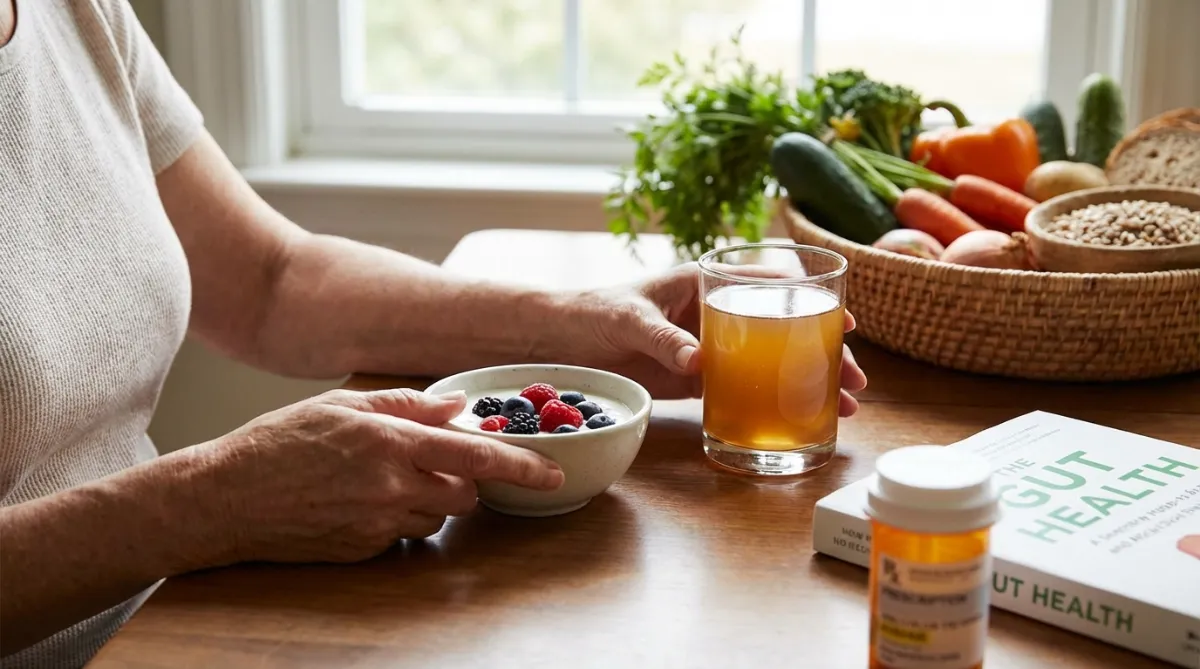
Dietary/Probiotic Approach: This involves increasing your intake of probiotic-rich foods like yogurt and kefir, as well as fiber-rich foods like fruits, vegetables, and whole grains. You might also take a general probiotic supplement. The goal is to naturally encourage the growth of beneficial bacteria in your gut.
Effectiveness
GutOptim: The clinically-studied formula with targeted probiotic strains and digestive enzymes can lead to noticeable improvements in digestion, reduced bloating, and a more balanced gut microbiome. It may be particularly effective for addressing specific symptoms like constipation or diarrhea that can arise after antibiotic use. The prebiotics further enhance the effectiveness by providing nourishment for the probiotic bacteria, allowing them to thrive and colonize the gut more effectively.
Dietary/Probiotic Approach: While beneficial, the effectiveness can vary depending on the specific probiotic strains, the amount of probiotics consumed, and individual dietary habits. It may take longer to see noticeable improvements, and it can be challenging to consistently consume enough probiotics and fiber to significantly impact the gut microbiome. Fermented foods such as yogurt, sauerkraut and kimchi can be beneficial but may not contain the specific strains needed to combat the issues caused by antibiotics.
Price/Value
GutOptim: Has a higher upfront cost compared to simply adding some yogurt to your diet. However, the comprehensive formula and targeted action can make it a cost-effective choice in the long run, potentially reducing the need for additional supplements. It is also important to factor in the potential costs associated with managing ongoing digestive issues, which GutOptim aims to prevent.
Dietary/Probiotic Approach: The initial cost may seem lower, but consistently buying probiotic supplements and specific foods (like organic produce or specialized fermented products) can add up. Plus, if your digestive issues persist, you might end up spending more on over-the-counter remedies or doctor's visits.
Ease of Use
GutOptim: Taking GutOptim is simple – just follow the dosage instructions on the label. It's a convenient way to ensure you're getting a consistent dose of beneficial bacteria and digestive support. For seniors who may have difficulty with meal planning or dietary restrictions, GutOptim offers a hassle-free solution.
Dietary/Probiotic Approach: Requires more effort and planning. You need to be mindful of your food choices, prepare meals that are rich in fiber and probiotics, and consistently take your probiotic supplement. This can be challenging for some seniors, especially those with limited mobility or dietary restrictions. Seniors may also have dentures or other dental issues that limit their food choices.
Safety/Side Effects
GutOptim: Generally well-tolerated. Some people might experience mild gas or bloating initially as their gut adjusts to the increased probiotic content. However, these side effects usually subside within a few days. As always, consult with your doctor before starting any new supplement, especially if you have underlying health conditions or are taking other medications.
Dietary/Probiotic Approach: A high-fiber diet can sometimes cause gas or bloating, especially if you're not used to it. Probiotic supplements are generally safe, but some individuals may experience mild digestive upset. If you have a weakened immune system, it's best to talk to your doctor before taking probiotics.
Who Should Choose GutOptim?
- Seniors experiencing significant digestive issues after antibiotic use.
- Individuals who prefer a convenient and targeted solution.
- Those seeking a comprehensive approach to gut restoration, including probiotics, prebiotics, and digestive enzymes.
- People who struggle with meal planning or dietary restrictions.
Who Should Choose a Dietary/Probiotic Approach?
- Individuals with mild digestive discomfort after antibiotics.
- Those who prefer a more natural and gradual approach to gut health.
- People who enjoy cooking and experimenting with probiotic-rich foods.
- Those on a tight budget.
Final Recommendation
While both approaches can be beneficial for restoring gut health after antibiotics, GutOptim offers a more targeted, convenient, and comprehensive solution, especially for seniors experiencing significant digestive issues. Its blend of probiotics, prebiotics, and digestive enzymes provides a multi-pronged approach to repopulating beneficial bacteria, supporting digestion, and alleviating common post-antibiotic symptoms. If you're looking for a fast and effective way to get your gut back on track, Check Price and consider giving GutOptim a try.
FAQ
Q: How long does it take to recover from antibiotic-induced gut damage?
A: Recovery time varies depending on the severity of the damage and individual factors. However, with a targeted approach like GutOptim, you may start to see improvements within a few days to a week.
Q: Can I take GutOptim while still on antibiotics?
A: It's generally recommended to separate antibiotic and probiotic intake by a few hours. Take the probiotic at least 2-3 hours after taking the antibiotic to minimize the antibiotic's impact on the probiotic bacteria.
Q: Are there any foods I should avoid after taking antibiotics?
A: Limiting processed foods, sugary drinks, and excessive alcohol can help support gut recovery. Focus on consuming whole, unprocessed foods, lean protein, and plenty of fiber.
Q: What if I experience side effects from GutOptim?
A: Mild side effects like gas or bloating are usually temporary and subside within a few days. If you experience more severe or persistent side effects, discontinue use and consult with your doctor.
[ ]: C. difficile Infection Information [ ]: L. rhamnosus on Wikipedia [ ]: B. longum on Wikipedia